Made & Shipped in the USA
Thousands of 5-Star Customers
Food-Grade & Lab Tested
Fast, Reliable Shipping
Create Your Emergency Plan
If you are new to emergency food storage and emergency preparedness supplies, start with one clear goal, then add the next layer when you are ready.
Start with a two-month supply
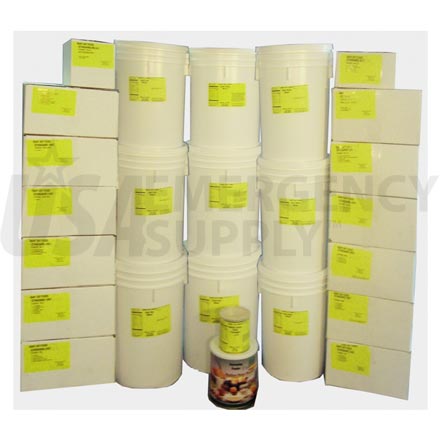
Buying a two-month food supply is a practical starting point for many families. These emergency food supply kits help you cover meals for a defined period without having to piece everything together yourself.
Plan a one-year supply
For a longer-term plan, compare year-supply of food kit options and choose the level that fits your budget and food preferences.
Pack bulk foods for long-term food storage
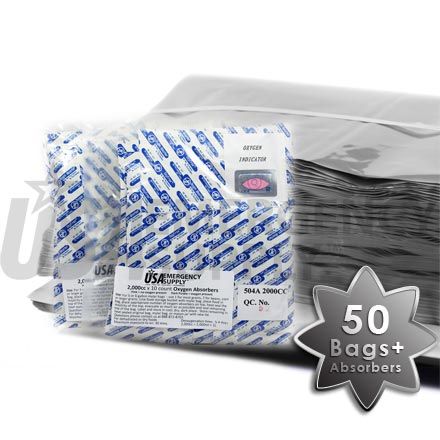
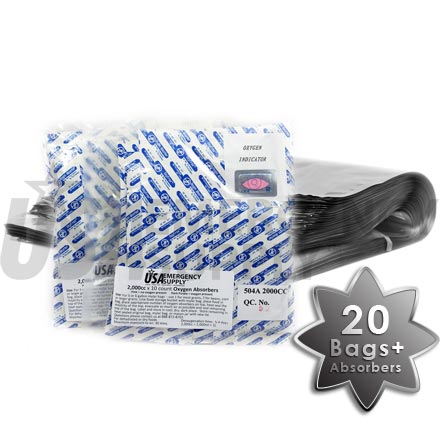
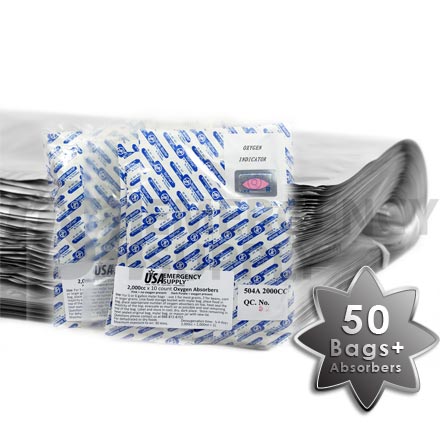
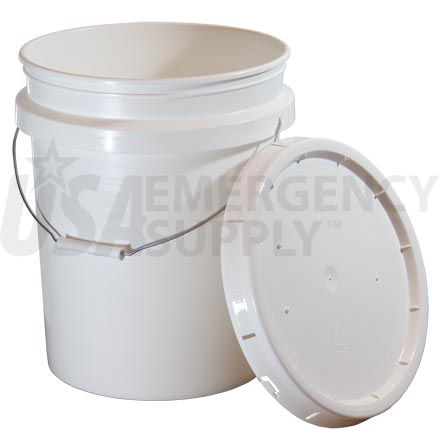
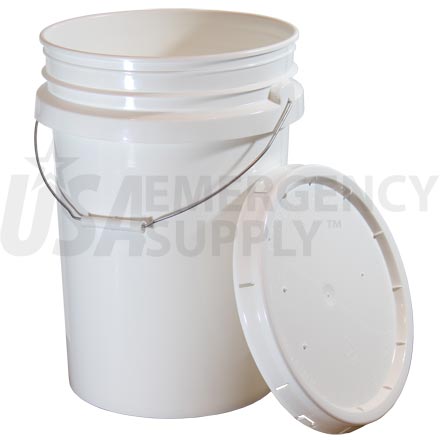
Store food for longer periods by buying staples in bulk and keeping them dry and organized with long-term food storage supplies. Use a combination of Mylar bags, oxygen absorbers, food storage buckets, and add Twister Seal Lids on buckets you plan to open often.
Emergency water storage and filtration
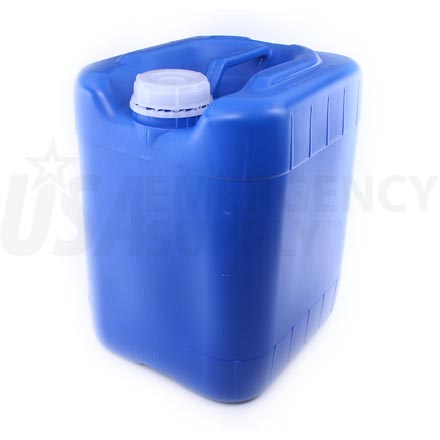
Storing food is only one part of a complete emergency plan. Use emergency water storage containers and water filters so you can store water for drinking, basic cooking, and hygiene.
Sanitation and hygiene
Outages and travel are easier when you have sanitation and hygiene supplies on hand. Start by seeking out core items and add extras based on your household needs.
Popular Categories
Mylar Bags for Food Storage
Supplies for long-term food storage, including Mylar bags, oxygen absorbers, food storage buckets, and resealable lids.
Emergency Food Kits and Food Storage Kits
Shop kits by timeframe to make getting started with emergency food storage simple and tailored to your preparedness needs.
Water Supplies
Emergency water storage containers, water jugs, and water filters for simple, reliable, and convenient preparedness anytime, anywhere.
Sanitation and Hygiene Supplies
Portable sanitation and hygiene items for simple, reliable, and convenient daily use during outages and travel.
Cooking, Lighting, and Miscellaneous
Cooking, Lighting, and Miscellaneous items for simple, reliable, and convenient support during food prep and power outages.
Books and Hand Guides
How-to resources, books and hand guides for simple, reliable, and practical emergency preparedness and food storage.
Food Processing Tools
Manual and electric grain grinders, mixers, and peelers for simple, reliable, and convenient pantry staples at home.
Freeze-Dried Vegetables
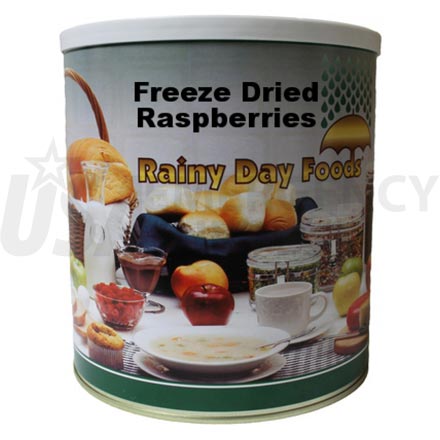
Add freeze dried vegetables, fruits, meat, and dairy to emergency food supply for quick prep, including Mountain House.
Emergency Food Type Comparison
Bulk, dehydrated, and freeze-dried foods for emergency preparedness
Choosing the right food type depends on how you plan to cook, how much storage space you have, and how you want to rotate inventory. Many households use a combination of bulk staples for everyday meals, dehydrated foods for ingredients, and freeze-dried foods for quick prep.
Bulk storage foods
Bulk storage foods are the foundation of many emergency food storage plans because they are familiar, affordable, and easy to use in everyday cooking. These pantry staples work well year-round and can be rotated as part of normal meals. Many households build meals around grains and beans, then add other foods over time for variety. When storing large quantities, consider preparation needs such as cooking methods or tools like grain grinders.
Dehydrated foods
Dehydrated foods are ideal for adding variety and flexibility to an emergency pantry. They provide ingredients for building real meals, including vegetables, fruits, dairy items, and mixes. Many families use dehydrated foods to supplement bulk staples and make meals more balanced over extended periods. Since preparation requires water, these foods pair well with a water storage plan and are space-efficient for long-term storage.
Freeze-dried foods
Freeze-dried foods are popular for their convenience, long shelf life, and quick preparation. They are easy to portion and store, making them useful when power, time, or cooking options are limited. Many households add freeze-dried meals to bulk staples for fast, reliable backup meals that require minimal planning. For those who prefer well-known brands, Mountain House is a common and trusted option.
Gluten-free options
Gluten-free emergency food options allow households with dietary restrictions to build storage plans that align with everyday eating habits. Starting with naturally gluten-free staples and meals makes long-term planning easier and more sustainable. A consistent approach helps ensure comfort and nutrition during emergencies without introducing unfamiliar foods. Building a gluten-free pantry works best when both core staples and backup meals match your regular diet.
USA Emergency Supply
How to Store Food With Mylar Bags and Oxygen Absorbers
If you are building long-term food storage from bulk staples, your storage method matters as much as the food. A simple system helps protect dry foods from oxygen exposure, humidity, and pantry pests, and it also makes your inventory easier to label, stack, and rotate.
This process is commonly used for grains, rice, pasta, beans, and other dry foods that store best when kept cool and dry.
Step 1: Choose a Mylar bag size
Start by picking bag sizes based on how you intend to use the food. Smaller Mylar bags are easier to rotate because you can open only what you need, while larger bags can reduce packing time for big quantities. If you are packing for a family, portion sizes that cover a week or two of use often work well for rotation.
Step 2: Add oxygen absorbers based on bag size
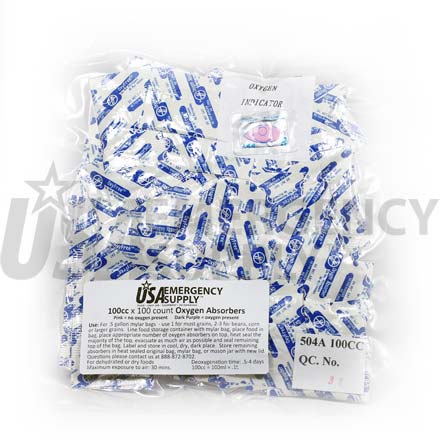
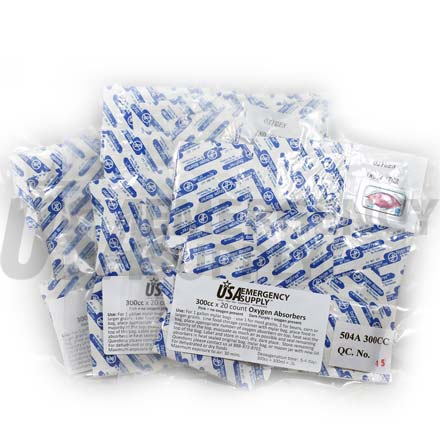
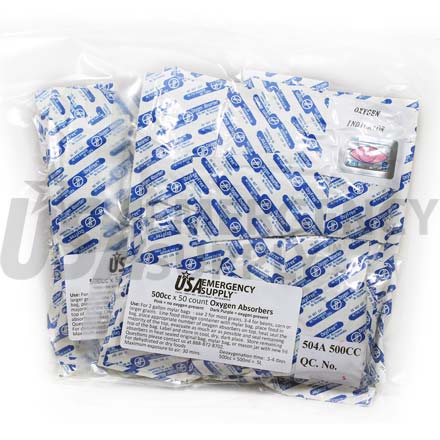
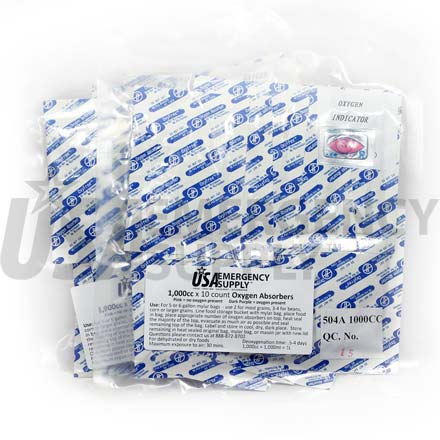
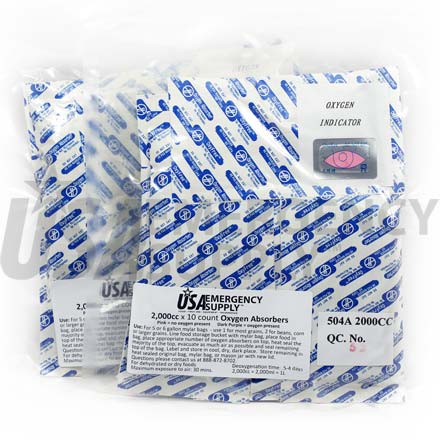
Oxygen absorbers help reduce oxygen inside a sealed bag, which can improve storage conditions for many dry foods. The key is matching the absorber size to the bag and keeping absorbers sealed until you are ready to pack. Once you open the absorber package, work efficiently so you can get bags sealed without delays.
Step 3: Heat seal and label
A strong seal is what turns a Mylar bag into an effective food storage solution. Use heat to seal the top edge and check for a consistent seal line. Label each bag with the food name, packed date, and any notes you may need later, such as serving size or cooking instructions. Clear labeling makes rotation easier and helps reduce food waste.
Step 4: Store sealed bags in food storage buckets
After sealing, place bags inside food storage buckets. Buckets help you stack inventory, protect bags from punctures, and keep storage areas cleaner. They are also a practical way to organize by category, such as grains in one bucket and beans in another.
Why choose
USA Emergency Supply
Product Range
Emergency food supply, water supplies, freeze-dried foods, and long-term food storage solutions.
Storage Packaging Options
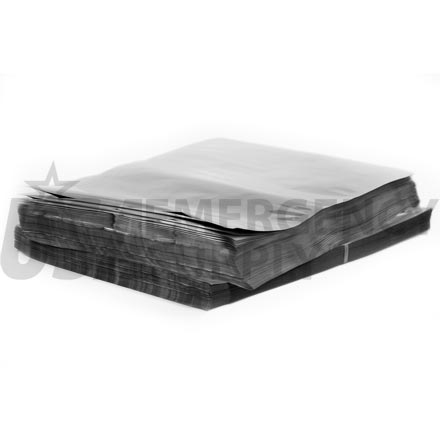
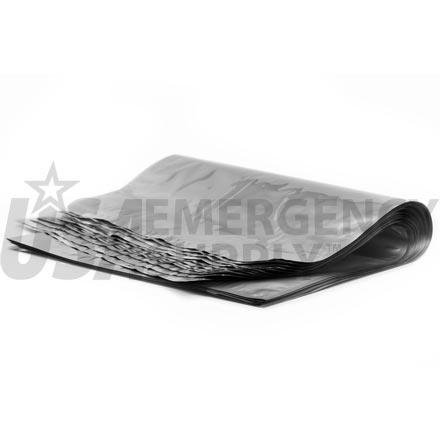
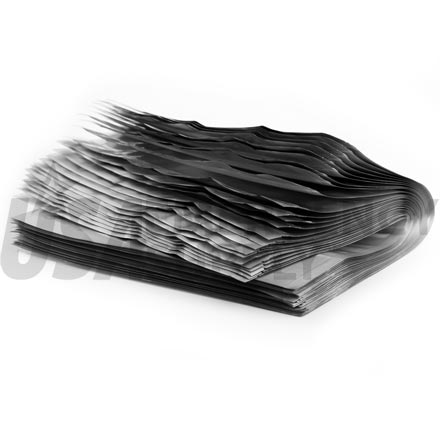
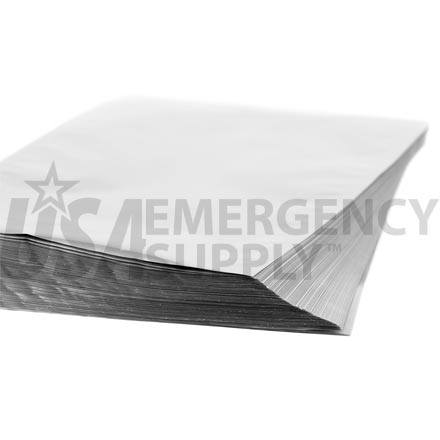
Full-ply Mylar bags engineered for long-term food storage and superior preservation of food.
Humanitarian Aid
10% of profits donated to global humanitarian aid programs supporting communities.
Natural disasters: Hurricanes, wildfires, floods, and earthquakes can close stores and delay deliveries. Food storage kits, bulk foods, water storage, and sanitation supplies help cover the basics and keep your family safe during these situations.
Power outages: When power is out, plan for shelf-stable foods, cooking items, lighting, water, and hygiene supplies.
Economic uncertainty: A pantry reserve supports meal planning when budgets change. Bulk storage foods and storage supplies help reduce waste.
Supply chain disruptions: Delays and shortages can affect pantry staples, so it helps to keep bulk foods, freeze-dried foods, and storage supplies on hand.
Pandemic preparedness: Reduce store trips with shelf-stable foods, water storage, and sanitation items for weeks at a time.
Off-grid living: For cabins and off-grid living, combine long-term food storage, water containers, filters, sanitation, and food processing tools.
Our Most Popular Sellers
Announcements
Thank you for shopping with us. USA Emergency Supply is committed to helping support families and individuals impacted by disasters around the world. We do this by donating 10% of our profits to worldwide humanitarian efforts. By shopping with us you are also helping others, so you should feel really good about that!
There are lots of thin-ply masquerading as full thickness, lower-quality, double-fold shipped bags out there. Don’t be fooled! Our bags are high-quality, full-ply thickness (each side), heat sealed to themselves, won’t melt to your hot iron, custom wrapped shipping, and never shipped double folded! How may we help serve your home food storage needs in these troubled times? Preparation brings real safety and peace, empower yourself!
Frequently asked questions
Shelf life depends on food type and storage conditions. Keep stored food cool and dry, label packed dates, and rotate pantry items to maximize shelf life.
Many dry foods benefit from the use of oxygen absorbers, however they are not needed for every item. Follow product guidance when packaging your food for storage.
Many people use a household iron or hair straightener on a flat surface. We recommend practicing on an empty bag first, and when you are ready, remember to add an oxygen absorber before sealing.
Some people reuse Mylar bags if they are clean, dry, and not punctured. For long-term food storage, we recommend using new bags reduce the risk of food spoilage and bacteria growth.
Both freeze-dried and dehydrated foods are created by removing moisture from the food to allow for long-term storage. The best choice depends on how you cook, the type of food you want, and how much water you plan to use.
Start by choosing a timeframe, then build from there. Many households begin with a standard emergency food kit and expand it by adding bulk foods, water storage, and hygiene supplies as their plan grows.